
Is this listing’s price fair? Compare it with asking prices in the area in Portugal
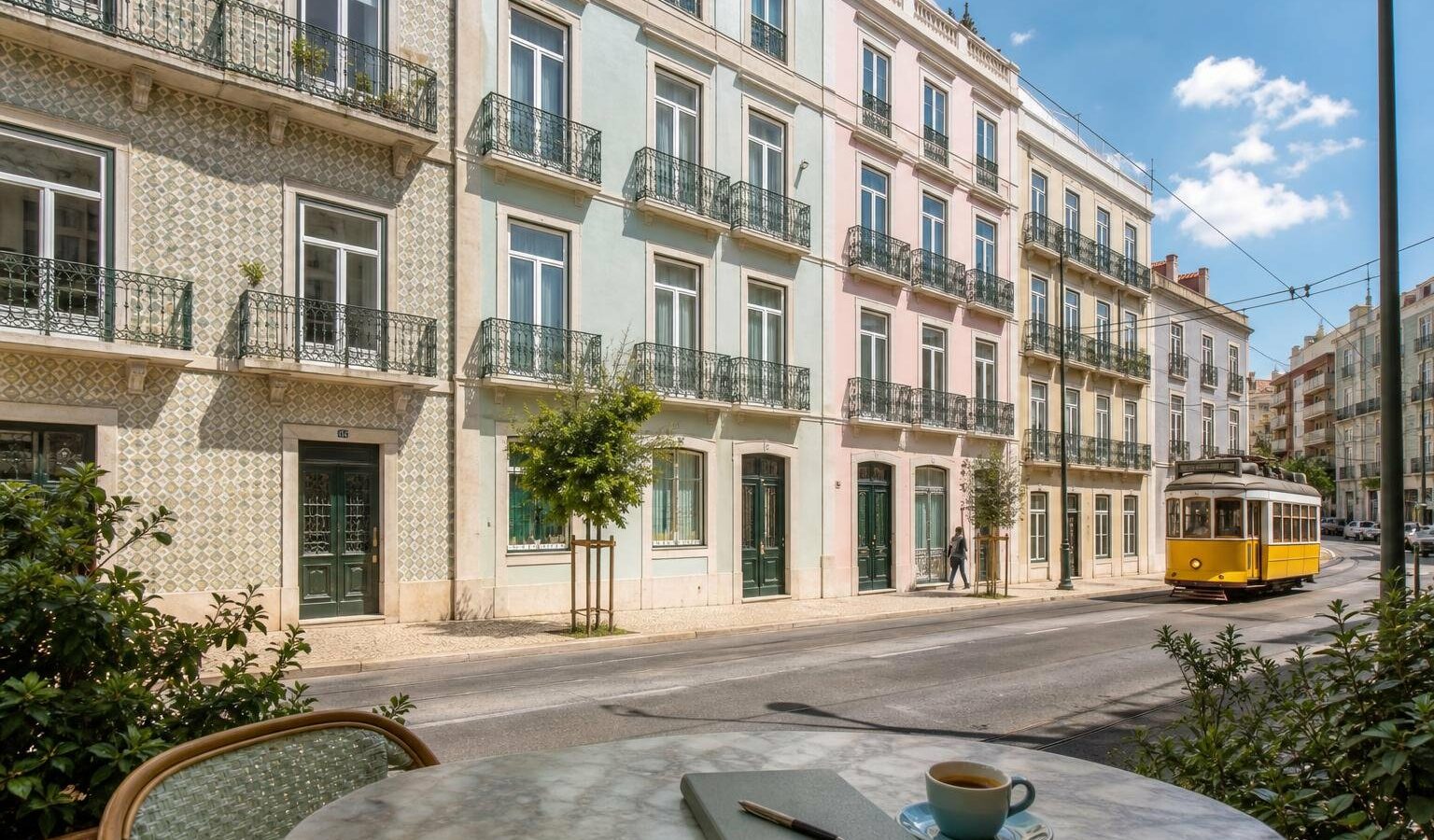
Is this listing's price fair? The tool below gives you a first answer. It compares the listing's price per m² with prices for the same type of property in the same area. The result shows whether the asking price sits below, in line with or above the local market.
You only need the area, the type of property, the floor area and the asking price. Enter the usable floor area shown in the listing or in the caderneta predial (the property's record held by the Tax Authority). If you use the gross area, the price per m² comes out lower than it really is, and the listing looks cheaper than it is.
The tool is useful whether you are buying or selling. Before a viewing or an offer, it helps you set aside listings that don't match their area. If you are selling, it shows you what competing properties are asking. To find out what your own property is worth, request the free estimate. This is a first filter: it is neither a bank valuation nor a certified valuation.
When it pays to check a listing's price
A check is useful at four points. At each one, you read the result differently. You might be buying, selling or simply keeping an eye on the market in your area.
Before you book a viewing
A viewing takes up a morning or an afternoon, sometimes with a drive from another municipality. If the listing's price per m² is well above what sellers ask for a similar property in the area, find out why before you go.
The gap may have a concrete reason, such as a river view, recent renovation work or a garage space. Or the seller may just be testing the market. Ask the agent what justifies the price. A vague answer already tells you a lot about the negotiation ahead.
Before you book, ask these questions over the phone:
- How long has the property been on the market, and has the price changed?
- Is the area in the listing the usable area or the gross area?
- Does the price include parking, a storage room or furniture?
- Has the building approved any works that the seller will still pay for, or that will pass to the buyer?
Before you make an offer
The asking price is the seller's starting point, not yours. Knowing whether it sits above the area, in line with it or below it changes how you argue your case.
When the price is above the area, you can offer less and explain why. When it is already in line, there is little room, and a very low offer can end the conversation before it starts.
Bring arguments the seller can check: a kitchen that needs redoing, a poor energy certificate, a third floor with no lift. A seller takes a reasoned offer more seriously than a round number.
If your offer is accepted, the next step is usually the CPCV (promissory contract of sale), with a deposit paid on signing. Before you sign, make sure the property's paperwork is in order using the list of documents needed to sell a property.
When the same property reappears at a different price
A property often drops out of the listings and comes back weeks later with a new price, new photos or a new agent. Without an exclusive agency agreement, several agencies can advertise the same property, and not always at the same price.
A price cut shows the seller has already felt the market's response. Check the new price again. If it is still above the area, there is room to negotiate. If it is now in line, the cut simply corrected a badly set price and does not mean the seller is in a hurry.
Look at the area too. Two listings for the same property can show different areas, and that alone is enough to change the price per m². Ask for the caderneta predial (the property's tax record) and compare it with what the listing says.
For owners getting ready to sell
Before setting your own price, look for listings of properties like yours: in the same area, with the same number of bedrooms, a similar size and in similar condition. Check each one. You will see whether the competition is asking prices in line with the area or above it.
If similar listings all sit above the area, that does not mean your property is worth the same. A listing shows an asking price, not a selling price. Properties that stay on the market for months without a price change are often the ones priced above the market.
This comparison shows you the competition, but it does not give you your property's value. For that, request a free estimate, which takes your property's features into account. You can also read how a property's value is worked out. The estimate is neither a bank valuation nor a certified valuation. The difference is explained in bank valuation or market study.
If your property has been on the market for a while and viewings are not coming in, see what to do when your property won't sell.
How to read the result: below, in line with or above the local range
The result places the asking price against what sellers are asking for similar properties in the same area. It does not tell you whether to buy. It shows where this listing sits and which questions to ask next.
An asking price in line with the area
In line means the seller is asking roughly what others ask for comparable properties nearby. This is the most common outcome. The price does not stand out, but that does not prove the property is worth that amount.
Here, the difference shows up on the viewing. In the same parish (freguesia), two one-bedroom-plus-living-room flats (T2) at the same price per m² can be in very different condition. One has new windows and a new kitchen, while the other still has its original plumbing. Check what each one includes before you compare prices.
An asking price above the area: questions for the seller or agent
A higher price can be justified. Some features add value and are not always clear from a listing. Before you rule the property out, ask for confirmation on these points:
- Recent work: what was done, in which year, and whether there are invoices or guarantees. A full renovation is not worth the same as a fresh coat of paint.
- View: river, sea or simply an open outlook. Also ask whether anything is planned for the plot next door.
- Garage or parking space: whether it is included in the price, and whether it belongs to the unit or has its own tax registration number (artigo matricial).
- Floor: a top-floor flat with a lift does not compare with a ground-floor flat facing a busy street.
- Time on the market: how long the property has been for sale and whether the price has already come down.
If the answers do not explain the gap, treat the asking price as a starting point for negotiation. If you own a property and are comparing it with listings in your neighbourhood, these questions also show what can support a higher price. If you have already received an offer, read I've received an offer for my property: is it fair?.
An asking price below the area: what to check before going further
A low price catches the eye, and it calls for more checks, not fewer. There is often a reason the listing does not mention. Confirm these points before making an offer:
- The condition of the property: damp, leaks, old wiring, window frames. On the second viewing, bring someone who knows building work.
- The condominium: ask for the statement of any debts owed to the building's owners' association and the latest meeting minutes. Work on the façade or roof that has already been approved can weigh on a buyer's budget.
- The licença de utilização (the council document authorising the property's use as a home): check that it exists and matches what you see. An enclosed balcony or a loft turned into a bedroom without a licence lowers the value.
- Charges on the certidão permanente (the property's land registry record, available online): mortgage, seizure order (penhora), usufruct. A seizure order can delay or block the escritura (the public deed of sale).
A tenanted property also often appears below the local range, because the buyer takes on the tenant. See Selling a tenanted property. The full list of paperwork is in the guide Documents needed to sell a property in Portugal.
A trend, not the exact value of the property
The result compares asking prices, not completed sale prices, and it never sees the property. It cannot tell whether the living room overlooks a back yard or whether the building needs work. Read it as a trend that helps you decide whether a viewing or a negotiation is worth your time.
What makes the price per m² vary within the same area
Two two-bedroom flats in the same parish (freguesia) can be listed at very different prices per m², and both prices can be right. The area average is only a starting point. A listing moves away from it because of the flat itself, the building and the street. The factors that shape a property's value are explained in How much is my property worth?.
Condition of the flat and the building
A flat that needs renovating is usually listed below a renovated flat in the same building. The gap should roughly cover the cost of the works and the hassle of doing them. If the discount looks small next to the work involved, the price is high.
The building matters as much as the flat. A crumbling façade, a leaking roof or old pipework end up as works paid for by every owner in the building. The minutes of the last owners' meetings (atas do condomínio) show whether works have already been approved or extra levies are still due.
A missing lift weighs more the higher the floor. A third floor without a lift loses many buyers, starting with families with pushchairs and older people. High service charges, with a concierge, a pool or gardens, also lower what a buyer will pay, because they add to the monthly mortgage payment.
Before you compare, clear up these points with the seller or the estate agent:
- The year the building was built and the date of the last major works.
- The monthly service charge and what it covers.
- Works approved in the minutes, and who pays for them: the seller or the buyer.
- A statement from the building manager on any debts the flat owes to the owners' association.
Floor, sun exposure and outdoor space
In a building with a lift, the price normally rises with the floor. The ground floor is generally worth less because of noise and lack of privacy, and damp in older buildings too. The exception is a ground-floor flat with a private garden or yard (logradouro).
Sun exposure changes both comfort and energy bills. A south-facing flat, or one with east and west aspects, is more sought after than one facing only north. Check the orientation on site with your phone's compass, as many listings overstate the natural light.
An open view, a balcony or a terrace add value, but the effect varies a great deal. A river view in Almada or a balcony that fits a table can justify a price per m² above the average. A balcony enclosed with glazing (marquise) or a 'partial view' squeezed between two buildings will not.
Parking counts separately. In central Lisbon, where street parking is hard to find, a garage carries far more weight in the price than in an outlying neighbourhood with free spaces. Check whether the space is included in the price and appears in the caderneta predial or in the deed dividing the building into separate units (propriedade horizontal), or whether it is merely tolerated by the other owners.
Streets and neighbourhoods within one parish
A parish often covers very different places, especially the merged parishes created by the administrative reorganisation. In the União das Freguesias de Cascais e Estoril, for example, a flat near the seafront promenade and another next to the A5 motorway sit in the same parish. Yet they do not compete for the same buyers.
Noise can change completely from one street to the next: a busy avenue, a bar district or a railway line pull the price down. Walking distance to the metro, the station, schools and shops pushes it up. In Lisbon, a very steep cobbled street also puts buyers off, while a flat overlooking a quiet inner courtyard gains value.
Whenever you can, compare the listing with properties on the same street or in the same block. If the parish average points one way and the street points another, give more weight to the street.
Floor area in listings: net, gross or with outbuildings
Two prices per m² can only be compared if the area is measured the same way. Some listings give the net floor area, others the gross area, and others add the garage and storeroom. For the same asking price, the figure per m² changes a lot.
- Net floor area (área útil): the surface inside the walls of the home, the space you actually walk on. It is the smallest figure.
- Gross private area (área bruta privativa): measured from the outside of the walls, including private balconies. This is the figure shown in the caderneta predial (the tax office document that describes the property).
- Gross ancillary area (área bruta dependente): a garage, storeroom, loft or basement for the owner's exclusive use. It appears on a separate line of the caderneta.
Take a two-bedroom flat listed at €300,000. If the listing gives 100 m² of gross area, that is €3,000/m². If it gives 80 m² of net area, it rises to €3,750/m². Same flat, same price.
Be wary of round figures and of areas that do not match the floor plan. Ask for the caderneta predial or the plan approved by the Câmara Municipal and check the area before drawing conclusions. If the listing has added the garage to the living area, take it out of the sum and value the space separately.
Limits of the check and what to do next
Asking price is not the price paid at the escritura
The check compares the listing with other listings. It shows what sellers are asking in the area, not what buyers ended up paying at the escritura (the final deed of sale). There is almost always a gap between the two, and it changes from one neighbourhood to the next and from one half-year to another.
Prices actually paid do exist, but they arrive later and as aggregated figures. INE, the national statistics office, publishes housing price statistics built from registered sales, by municipality and by parish (freguesia). They help you see the trend in an area. They do not tell you what one particular flat was worth.
Take two-bedroom flats in a neighbourhood where nearly all listings sit above what actually sells. A listing that looks "in line with the area" can still be expensive. The result tells you where this listing stands against the others. It does not guarantee that the price is right.
What only a viewing and the paperwork will show
The tool never steps inside the property. It cannot know whether the kitchen is thirty years old, whether the north-facing bedroom has damp, or whether the building's owners have already voted for façade works that are still to be paid. All of this affects the price, and you only find it out on site or in the documents.
Before making an offer, ask the seller or the agency for:
- the caderneta predial (the property's record at the tax office), to confirm the declared floor area and layout;
- the certidão permanente (the land registry certificate showing who owns the property), to check for mortgages or seizures;
- the licença de utilização (the council's permit to live in the property), especially if balconies have been enclosed or lofts and outbuildings turned into bedrooms;
- the latest minutes of the condominium meeting and a statement of any debts, to see whether fees are in arrears or works have already been approved;
- the energy certificate.
If the floor area in the listing does not match the one on the caderneta predial, the price per m² you worked out no longer holds. The full list, and when each document is requested, is in the guide to documents for selling a property.
A market indication, not a valuation
The result is not a bank valuation, the one a bank orders before granting a mortgage. Nor is it a certified valuation by a perito avaliador (chartered valuer) registered with the CMVM, the Portuguese securities regulator. Only these valuations count with a bank, a court or the tax office. The guide bank valuation or market study explains how the different types differ.
If you are buying with a mortgage, the bank will carry out its own valuation. When that figure comes in below the agreed price, the loan is based on the lower amount. The difference has to come from your savings, so make sure you have that margin before signing the CPCV (the promissory contract of sale).
When the property in question is your own
Many owners use this page to compare a neighbour's listing with the price they have in mind. It gives a sense of the competition. It does not tell you what your own property is worth, with the floor, aspect, condition and surroundings that are unique to it.
For that, you can request a free estimate, based on your property's features and market data for the area. If you need firmer ground to set your asking price, respond to an offer you have received or choose an agency, the market study goes further: it brings together comparable properties, sales and listings, INE statistics and the view of an adviser.
Before choosing, look at a sample report to see what you will receive. The methodology page explains what each service covers and where each one stops.
Frequently asked questions
How do I know if this listing's price is fair?
Compare the listing's price per m² with prices in the same area for the same type of property. Bear in mind that an advertised price is an asking price, and many sales close below it after negotiation. Treat it as a first filter before a viewing or an offer, not a final answer.
Can I check the price of my own listing?
Yes, and it is a good habit before you publish, or once your listing has been online for a few weeks. If your price per m² sits well above the area, buyers will compare and ask for a reduction. To see what drives the value of your property, read how a property's value is formed or request a free estimate.
How much can I negotiate on a property's price?
It depends on the area, how long the property has been on sale and its condition. A price above the local level usually leaves more room to negotiate than a price in line with it. A listing that has been online for months, or has already been reduced, also tends to open up the conversation.
Is a price below the local level always a good deal?
Not always. It may reflect works to be done, a problem with the property or the building, or a gap in the paperwork, such as a missing licença de utilização (the licence confirming the property can be used as a home). Check the condition and the documents before going any further.
Which floor area should I enter?
The usable floor area, which usually appears in the listing or on the energy certificate. The caderneta predial (the property's tax record) shows the gross private area, which includes walls and is larger. Using the gross area gives a lower price per m² than the real one and makes the listing look cheaper than it is.
Does the result count as a valuation of the property?
No. It is a free indication based on prices in the area. It is neither a bank valuation nor a certified valuation by a perito avaliador (property valuer) registered with the CMVM. It also cannot see the property's actual condition, view, floor or orientation. To understand the differences, read bank valuation or market study.
I've received an offer for my property: is this comparison enough to decide?
It helps you place the offer against asking prices in the area, but it is not enough on its own. An offer should also be judged on its terms: the date of the escritura (the deed signed before a notary), the deposit in the CPCV (the promissory contract of sale) and whether the buyer needs a mortgage. See how to assess an offer and, if you would like an analysis of your property, our market study packages.
Sources
General information, to be checked against your own situation. This guide does not replace legal or tax advice, nor a valuation certified by a chartered valuer registered with the CMVM, which is required for a loan, court proceedings or the tax authority.
Find out what your property is worth
Free and confidential estimate, based on local market prices.
Value my property- Result on screen and by email
- For a sale, the value tracked every month
- No agency contacts you without your consent